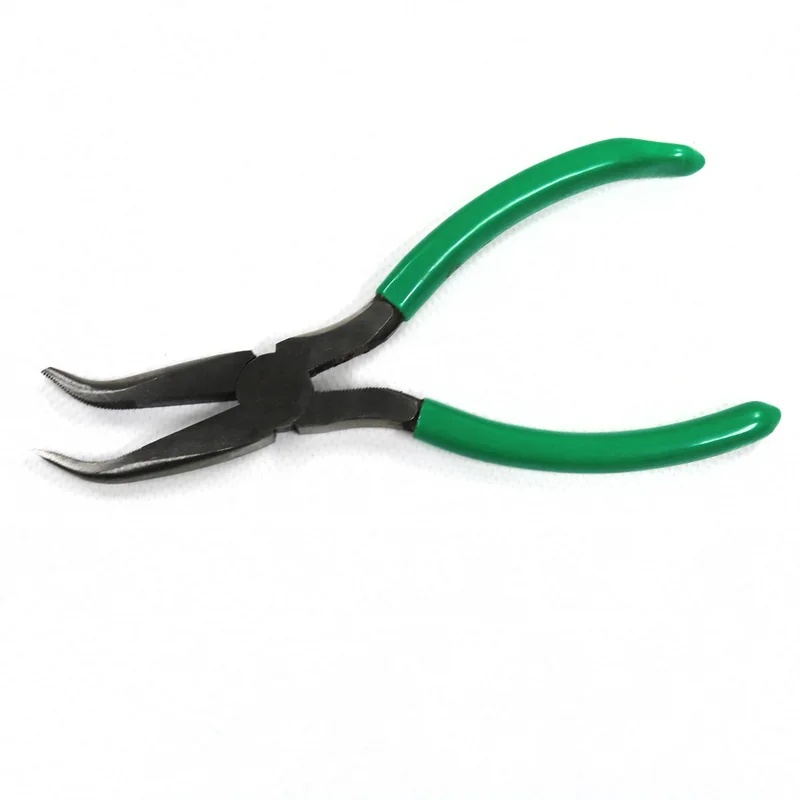
Jaw opening: 7/8 in maximum · Overall length: 6½ in
Bent-nose pliers for gripping and pulling upholstery staples.
$35.20Nov 8, 26, 12:12 AM · New YorkPrice info
This is a monthly price snapshot supplied by Rainforest, not a live quote. Product prices and availability are accurate as of the date/time indicated and are subject to change. Any price and availability information displayed on Amazon.com at the time of purchase will apply to the purchase of this product.
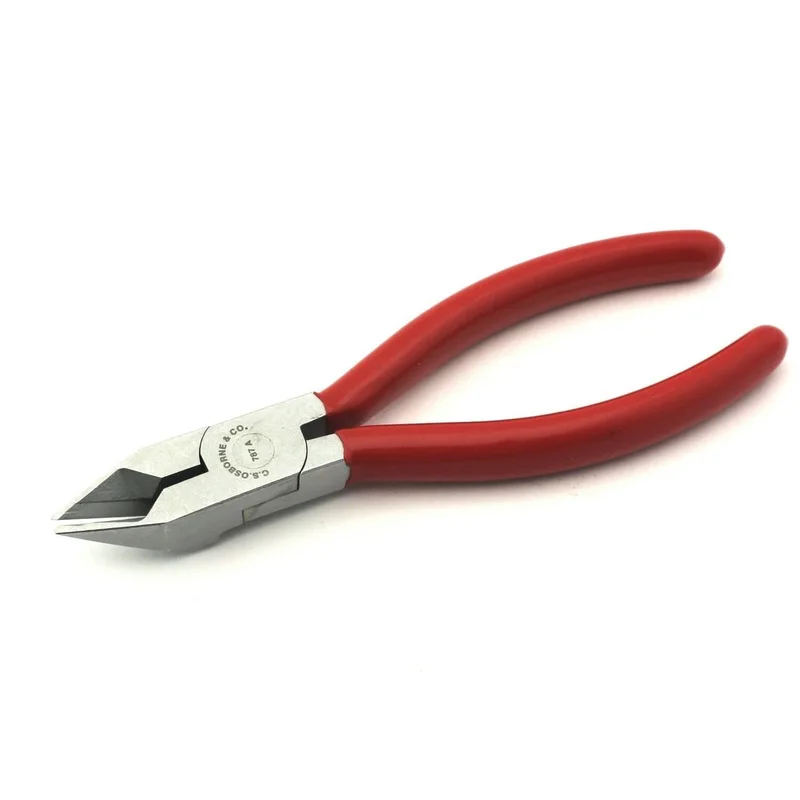
Pointed bevel-cut side cutter for upholstery staple work.
$73.50Nov 8, 26, 12:16 AM · New YorkPrice info
This is a monthly price snapshot supplied by Rainforest, not a live quote. Product prices and availability are accurate as of the date/time indicated and are subject to change. Any price and availability information displayed on Amazon.com at the time of purchase will apply to the purchase of this product.
A lifter starts a staple by prying below the crown. A plier can take hold after a part of the staple rises. The Osborne 600 bends the nose to reach beneath a staple. Check how far the jaws can approach the edge of your rail.
Buy a kit for missing functions
Check what each tool in the set contributes. A straight puller and a bent plier address different approaches. If you already own a lifter, a set makes more sense when it gives you a jaw or tip you lack.